What are essential oils?

aureawald essential oils nature medicine

Essential oils – origin, effects, and uses

What are essential oils?

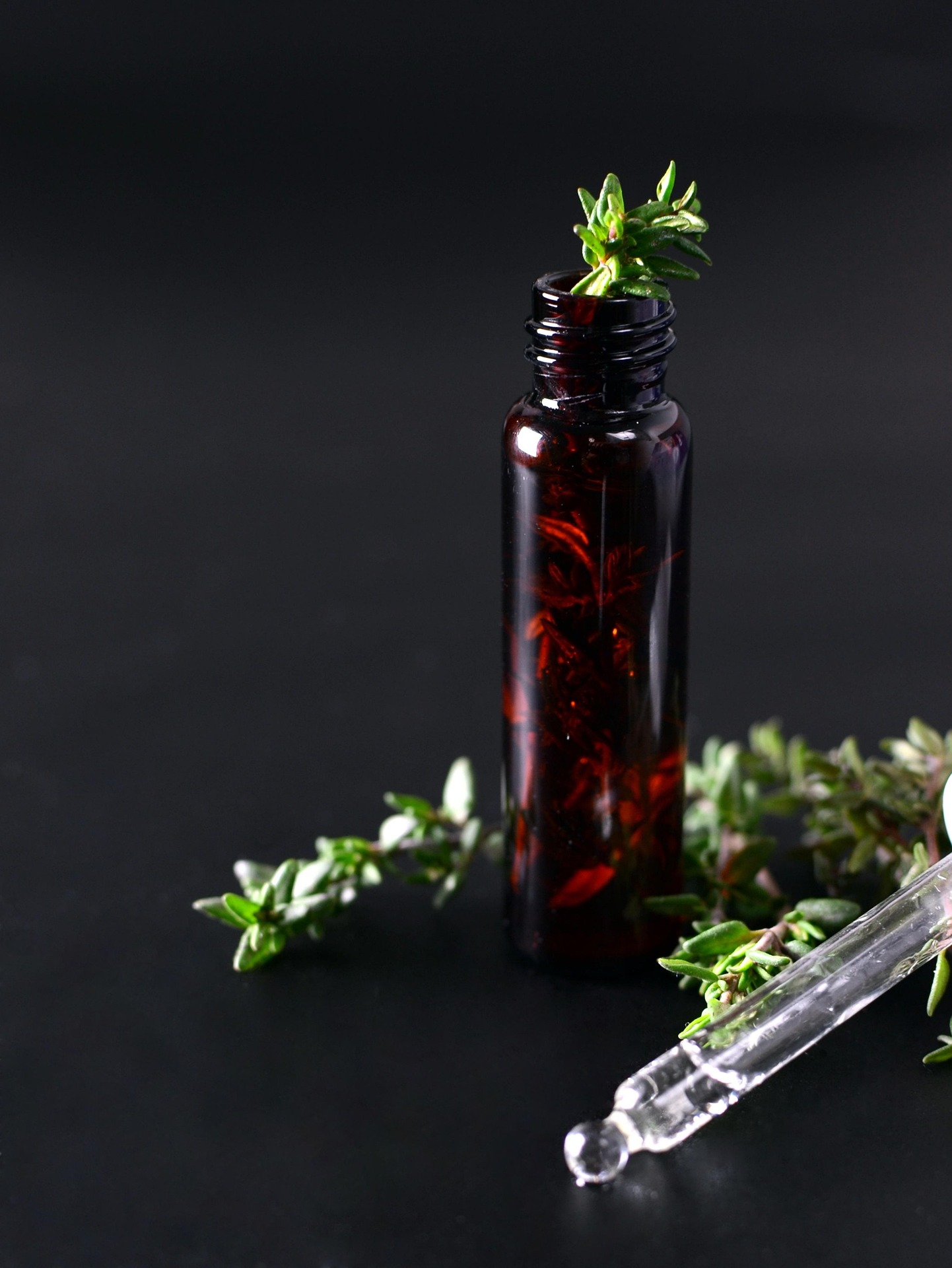
Essential oils are highly concentrated, volatile plant extracts. They contain a plant’s natural fragrance and active compounds and are obtained from flowers, leaves, bark, roots, resins, or peels.
Chemically, they consist of complex compounds such as terpenes, esters, alcohols, or aldehydes—substances plants use, among other things, to protect themselves from pests or to communicate.
Important: Essential oils are not “oils” in the classic sense. They evaporate completely and leave no greasy film.

aureawald essential oils nature medicine
Wellness with Aureawald’s natural organic essential oils
organic lemongrass oil no. 12 10 ml
Mountains 02

Discover the history of oils

History of essential oils

The use of aromatic plants goes back several thousand years.
In Ancient Egypt, aromatic essences were used for rituals, cosmetics, and embalming.
In antiquity, Greek and Roman physicians such as Hippocrates described the health significance of herbs and aromatic plants.
In the Middle Ages, distillation methods were significantly advanced by Arab scholars such as Avicenna.
Modern aromatherapy emerged in the early 20th century after the French chemist René-Maurice Gattefossé observed the regenerative effect of lavender oil on a skin burn.

Extraction – effects – use

Today, traditional knowledge and modern research come together.

01

Extraction

The quality of an essential oil depends heavily on how it is produced. The most important methods are:
1. Steam distillation
The classic method for lavender, rosemary, eucalyptus, and much more.
2. Cold pressing
Mainly used for citrus oils such as orange or bergamot.
3. CO₂ extraction
Particularly gentle and high-quality, as heat-sensitive components are preserved.
Key factors are origin, cultivation (ideally certified organic), harvest time, and proper storage.

02

Effects

Essential oils work through two main pathways:
1. Through the sense of smell
Fragrance molecules travel through the nose directly to the limbic system—the area of the brain that controls emotions and memories.
That’s why scents can relax, energize, or help you focus right away.
2. Through the skin
When properly diluted, essential oils can be absorbed through the skin and act locally or systemically.
The effect depends on the chemical composition. Examples:
Lavender: calming, balancing
Peppermint: refreshing, supports concentration
Tea tree: clarifying
Important: Essential oils do not replace medical treatment.

03

Areas of use

Aroma diffusion
For scenting rooms and influencing the atmosphere.
Skin application
Always diluted with a carrier oil (e.g., jojoba or almond oil).
Typical concentration for adults: 1–3%.
Bath additives
Only mix with an emulsifier (e.g., salt or milk); never add undiluted to the water.
Massage
A classic use for relaxation or muscle recovery.
Inhalation
For colds or to support breathing.

04

Safety and responsibility

Essential oils are highly concentrated. That’s their strength—and their risk.
Be sure to note:
Never apply undiluted to sensitive skin
Do not get into eyes or mucous membranes
For children, pregnant women, and sensitive individuals, use only selected oils
Store in a cool place, protected from light
Do not take internally without professional guidance
Quality is not a luxury, but a prerequisite for safe use.

05

How to recognize quality

You can recognize high-quality essential oils by:
The plant’s botanical name (e.g., Lavandula angustifolia)
Country of origin
Indication of the plant part used
Extraction method
Purity (100% natural, no synthetic additives)
Cheap oils are often diluted or synthetically recreated—they may smell similar, but they don’t have the same effect.

06

The essentials

Essential oils are powerful plant essences with a tradition spanning thousands of years. Used correctly, they can positively influence well-being, indoor air quality, and everyday rituals.
They’re not a miracle cure—but they are a powerful tool from nature.
What matters most is quality, knowledge, and responsible use.

more inspiring organic essential oils

thank you for your support

Your Aureawald team

Leave a Comment